


The Reflected Best Self Assessment (RBSA) helps us reveal our unique strengths and accept them for personal growth.
Together, we can gather feedback from friends and colleagues about what they see as our finest qualities.

By focusing on our strengths, we enhance our confidence and motivation, creating a supportive environment that encourages growth.
So, let’s celebrate our successes and change our understandings into an inspiring action plan, there’s so much more to find!

Key Takeaways
- RBSA helps individuals identify and appreciate their unique strengths, fostering emotional growth and a positive self-image.
- Engaging diverse feedback from ten individuals illuminates personal strengths and reveals insightful response patterns.
- An action plan centered on identified strengths allows for meaningful goal-setting and aligns daily actions with one’s values and achievements.
- Analyzing feedback trends and clustering responses reveals hidden themes, enhancing self-awareness and informing personal development strategies.
- Embracing strengths through RBSA cultivates empathy, strengthens relationships, and supports career direction, fostering an environment conducive to growth.
Understanding the Value of the Reflected Best Self Assessment for Personal Growth

The Reflected Best Self Assessment (RBSA) is like holding up a mirror that shows not just who we are but who we can be at our very best. Think of it as gathering personal perspectives from friends, family, and colleagues, creating a vivid representation of our unique strengths. This process doesn’t just highlight our talents, it sparks emotional growth, filling us with appreciation and hope. By focusing on positive strengths, we empower ourselves to fully realize our potential.
When we understand how we positively impact those around us, we build stronger connections that support our aspirations. Imagine walking into a job interview not just as a candidate but as someone brimming with confidence! By focusing on strengths, we enable ourselves, shining bright in work and life. So, let’s welcome this pathway toward our best selves!
Step-By-Step Guide to Executing the Reflected Best Self Assessment
Even if we feel a bit hesitant to immerse ourselves in the Reflected Best Self Assessment, this step-by-step guide can make the undertaking a rewarding experience! Initially, let’s prepare by reflecting about our strengths with some introspective questions. We might even consider an optional questionnaire.
Next, we’ll compile a diverse list of ten or more people who’ve seen us at our best. When we collect feedback, ask them to recall specific moments, trust us, the stories can be illuminating! Top performers and leaders often utilize reflection through writing habitually to deepen their insights. We’ll engage in feedback analysis afterward to identify patterns in those responses.
Ultimately, we’ll create a self-portrait answering, “Who am I when at my best?” and develop an action plan that sets us along the path for embracing our authentic selves. Let’s do this together!
Why Focusing on Strengths Enhances Assessment Outcomes?
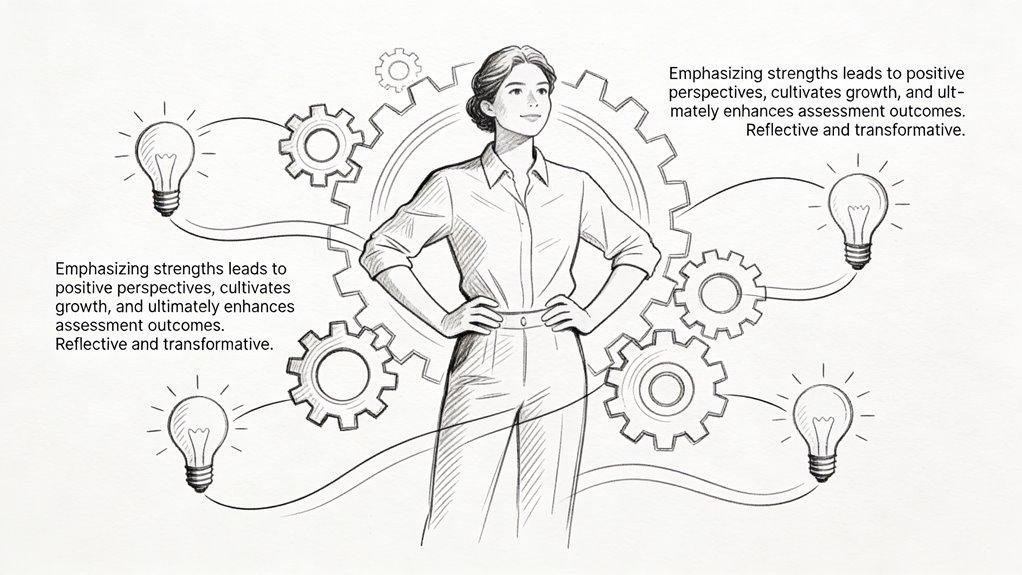
When we focus upon strengths, we create a powerful shift in how we assess ourselves and others. This approach enhances confidence and motivation, turning classrooms into lively spaces where learning flourishes. Additionally, by nurturing a strength-based mindset, we can better tailor our interactions and support, ensuring everyone feels valued and ready for tackling challenges head-on; after all, who doesn’t feel a little more unstoppable when they know what they’re good at? Furthermore, studies indicate that a strengths-based approach can significantly improve recovery outcomes in mental health settings.
Strength-Based Mindset Development
Strength-based mindset development not only enables individuals, but also radically improves assessment outcomes, leading to breakthroughs we might not have anticipated. By focusing on our strengths, we nurture personal empowerment and uplift ourselves.
Here’s how:
- Strength Identification: We reveal hidden talents that enhance our confidence.
- Enhanced Self-Reflection: We ask open-ended questions that spark profound understandings about our skills.
- Goal Setting: Setting meaningful, achievable goals helps us utilize our existing resources.
- Holistic Assessment: We evaluate happiness, resilience, and relationships to create a balanced view of our capabilities. Moreover, engaging in strength-based methods can significantly influence therapy outcomes by fostering a more supportive environment.
Boosting Confidence And Motivation
Recognizing our strengths not only enables us, but also acts as a catalyst for improving confidence and motivation. When we focus on what we’re good at, it’s like giving our self-esteem a lift that even a triple espresso can’t match! Strength-based feedback helps remind us of our potential, making the intimidating tasks ahead feel more like exciting challenges. As we recognize our skills, we see our capabilities, enabling us to overcome obstacles with ease. Moreover, when we take ownership of our strengths, our motivation naturally spikes, driving us toward our goals. Strong teacher belief positively impacts our realization of these strengths, reinforcing the idea that celebrating our talents and leaning into our abilities isn’t just freeing: it’s a proven path to confidence elevation and true motivation improvement!
Creating Constructive Learning Environments
In a world where tests and grades often dominate the education scenery, it’s invigorating to contemplate how focusing on our strengths can alter learning environments into bright spaces for growth and possibility.
Here are some key reasons why this approach works:
- Constructive feedback helps us accept our talents instead of fearing our shortcomings.
- We create a supportive environment, where learning feels less like a chore and more like an expedition.
- Strength-centered discussions enhance our confidence, reinforcing the idea that we’re allies in this trek.
- By connecting our strengths to new knowledge, we cultivate a growth mindset, leading to endless possibilities.
Let’s change our classrooms into places where every student’s unique gifts shine, making learning a fulfilling experience for all!
Choosing the Right Feedback Respondents
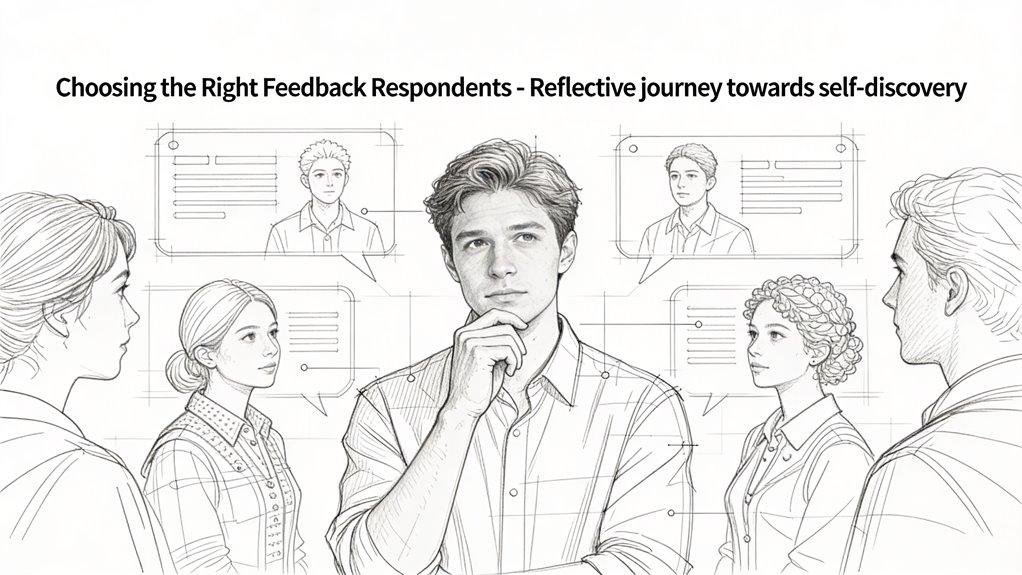
When we’re choosing feedback respondents for our assessments, we want to keep in mind that diversity is key. By selecting people from different levels and departments, we gain essential perspectives, whether it’s from a direct report offering a fresh outlook or a supervisor giving more strategic feedback.
Additionally, keeping confidentiality in mind guarantees that everyone feels safe to share their honest thoughts, because let’s face it, we all prefer constructive feedback over vague compliments!
Selecting Diverse Respondent Types
Choosing the right feedback respondents can feel a bit like assembling a diverse dream team, and it’s a fundamental step in getting a well-rounded view regarding our strengths. To achieve this feedback diversity, let’s consider these aspects for our respondent selection.
- Diverse Professional Roles: Colleagues, supervisors, subordinates, we need them all for their unique perspectives.
- Varied Relationship Levels: From close friends to distant contacts, their viewpoints enhance our understanding.
- Demographic Diversity: Including varied ethnicities, ages, and backgrounds guarantees a more comprehensive view.
- Functional Backgrounds: Let’s include technical experts and creative minds to assess our strengths from different angles.
Prioritizing Trust and Honesty
Finding the right feedback respondents isn’t just about ticking boxes, that refers to building a foundation for trust that allows us to hear the truth, even when it might sting a little. We need to prioritize honest communication by selecting individuals who uphold high ethical standards and truly understand our performance framework.
Engaging with proactive problem-solvers and those who can handle conflicts with grace improves our feedback quality. Also, clear survey instructions and prompts about the benefits of self-awareness can encourage candid input. When we create a culture that values trust building, we cultivate an environment where everyone feels comfortable sharing their viewpoints. So let’s choose wisely, as these voices will guide our path towards growth and authenticity.
Analyzing Feedback: Finding Patterns and Themes in Strengths
How can we turn our feedback into powerful strengths? By embracing pattern analysis and theme identification, we can alter qualitative observations into effective engagement strategies. Let’s take a closer look at how to find those crucial strengths:
- Identify feedback trends that consistently affirm our abilities.
- Cluster responses to reveal hidden themes in our interactions.
- Analyze qualitative data to recognize areas where we excel.
- Highlight strengths emphasis to shape data-driven decisions.
When we reflect on the feedback, we can improve our path and connect more profoundly with those around us. This isn’t just about stats, it’s about what makes us uniquely us! So let’s celebrate our strengths and make those feedback loops work in our favor!
Crafting Your Best Self Portrait: Key Elements to Integrate
Reflecting regarding our strengths is just the beginning; the next step is to paint a vivid image of our best selves. By integrating personal observations and guaranteeing strength alignment, we can create a persuasive self-portrait. Here’s a simple structure to guide us in this process:
| Elements | Integration Strategies |
|---|---|
| Achievements | Document accomplishments with metrics |
| Positive Qualities | Showcase our conscientious work ethic |
| Values | Confirm alignment with professional ethics |
Let’s capture what we do well, from communication skills to problem-solving. By articulating these traits, we reinforce our strengths. This lays the groundwork for our future growth, because who wouldn’t want to be the best version of themselves?
Developing an Action Plan to Leverage Your Strengths
Releasing our potential starts with a clear action plan to employ our unique strengths. By embracing strength identification, we can create a path that aligns our talents with our goals.
Let’s focus upon these four crucial steps:
- Identify our strengths through tools like the StrengthsFinder assessment.
- Set strength-based goals that resonate with our values and past successes.
- Align our daily actions with these strengths, ensuring our efforts match our competencies.
- Seek feedback from peers to enhance our approach and support confidence.
How Can You Use the Reflected Best Self Assessment in Your Life?
While many of us grapple with self-doubt, tapping into the Reflected Best Self Assessment (RBSA) can be a game-changing factor in highlighting our true strengths. This tool not only amplifies our self-awareness but also utilizes the narrative impact of feedback from those around us.
Here’s how we can apply it in our lives:
| Benefits | Emotional Understandings | Situational Awareness |
|---|---|---|
| Builds confidence | Sparks joy and gratitude | Identifies growth areas |
| Improves connections | Cultivates empathy | Reveals supportive environments |
| Guides career choices | Releases energy | Patterns for success |
Frequently Asked Questions
What Is the History Behind the Reflected Best Self Assessment?
The origin story of the reflected best self assessment began in 2002, developing through collaboration among visionaries at the University of Michigan, emphasizing strengths and narrative feedback to improve personal and organizational growth.
How Long Does the Entire Assessment Process Take?
The entire assessment process typically takes a few weeks. We find assessment efficiency increases with focused feedback collection and analysis, allowing us to reveal our strengths and create a meaningful self-portrait along the path.
Can I Conduct This Assessment Anonymously?
Yes, we can carry out this evaluation anonymously if we decide to. Nonetheless, we should consider privacy concerns, as anonymous feedback might lack the personal backdrop needed for more profound understandings and richer interpretations of our strengths.
Are There Any Costs Associated With Using the Online Platform?
Yes, there are costs linked with the online platform. The cost structure includes individual fees of $75, while students pay $15. These online fees grant us access for useful feedback collection and support.
What Types of Organizations Commonly Implement This Assessment?
Many organizations, including educational institutions and Fortune 500 companies, commonly implement such an assessment for corporate training and leadership development, helping teams and individuals uncover their strengths to improve performance and collaboration in various settings.
