


Expressing our emotions is vital for progressing and growing as individuals. We can start by identifying and naming our feelings, think of this as labeling jars in a kitchen.
Then, let’s share those emotions in constructive ways, like using “I feel” statements or creative outlets like art and music. Physical activities, like dancing or mindful walking, can also assist.

Remember, building emotional resilience takes practice, but it’s worth the effort.
Stick around, and we’ll investigate more strategies to help you thrive.

Key Takeaways
- Acknowledge your feelings by identifying and naming them, promoting clarity and ownership of your emotions.
- Utilize creative outlets like art, music, or writing to express emotions and gain insights into your experiences.
- Incorporate mindfulness practices, such as breathing exercises, to remain present and manage overwhelming feelings during emotional discussions.
- Engage in physical activities, such as yoga or dance, to release tension and foster emotional resilience while enjoying the process.
- Practice gratitude daily by noting three positive aspects of your life, which can help shift your mindset and facilitate moving on.
Understanding the Importance of Emotional Expression
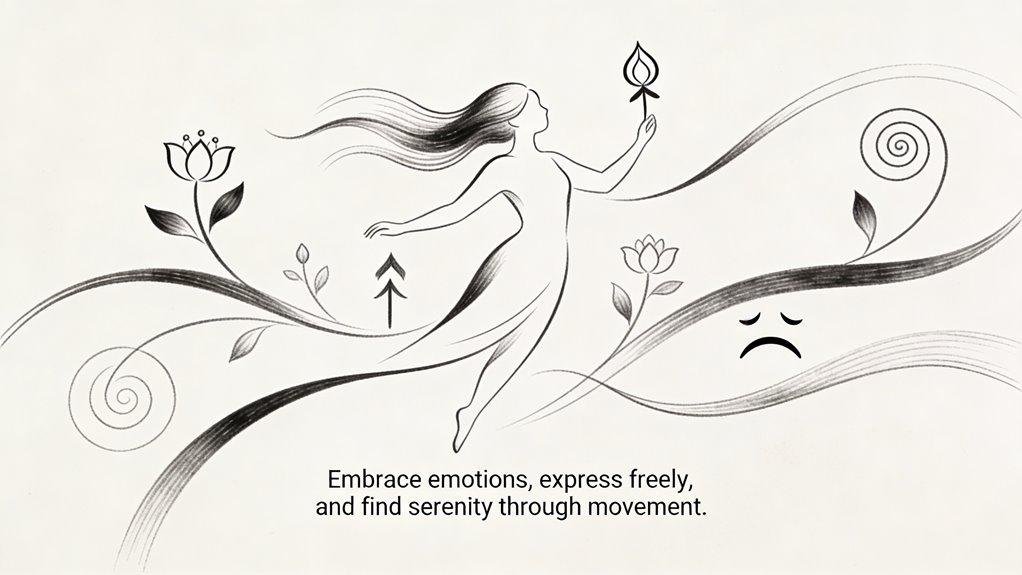
Emotional expression is like a gust of invigorating wind for our minds and hearts, and it is much more vital than many of us realize. When we express our feelings openly, we elevate our self-awareness development and improve our emotional intelligence. This practice does not only lift our spirits, easing anxiety and reducing symptoms from depression; it also helps us bond better with others. Think about it: sharing our emotions can feel scary at outset, but it opens doors to profound connections and acceptance. Research shows that emotional expression significantly correlates with rising self-esteem and improved relationship satisfaction. Let us adopt the art of expressing ourselves. Whether it is through writing, art, or simply chatting with a friend, letting those feelings out can bring us relief and the clarity we need in order to move forward. Let us start today!
Identify and Name Your Emotions With These Simple Steps
How often do we pause to check in with ourselves and ask, “What am I really feeling right now?” Identifying and naming our emotions is a significant step in our expedition towards emotional clarity and personal growth. Here are four simple steps to help us improve our emotion recognition and emotional vocabulary:
- Notice our body: Are our fists clenched or hearts racing? This physical awareness can point us to our emotional state.
- Use Plutchik’s Wheel: This visual tool helps clarify emotions beyond basic labels, deepening our understanding.
- Reflect moment-by-moment: Ask ourselves, “What am I feeling right now?” and avoid judgment about the answer.
- Test new words: Experimenting with different emotion words strengthens our connection to our feelings and promotes clarity.
Effective Ways to Constructively Express Your Feelings
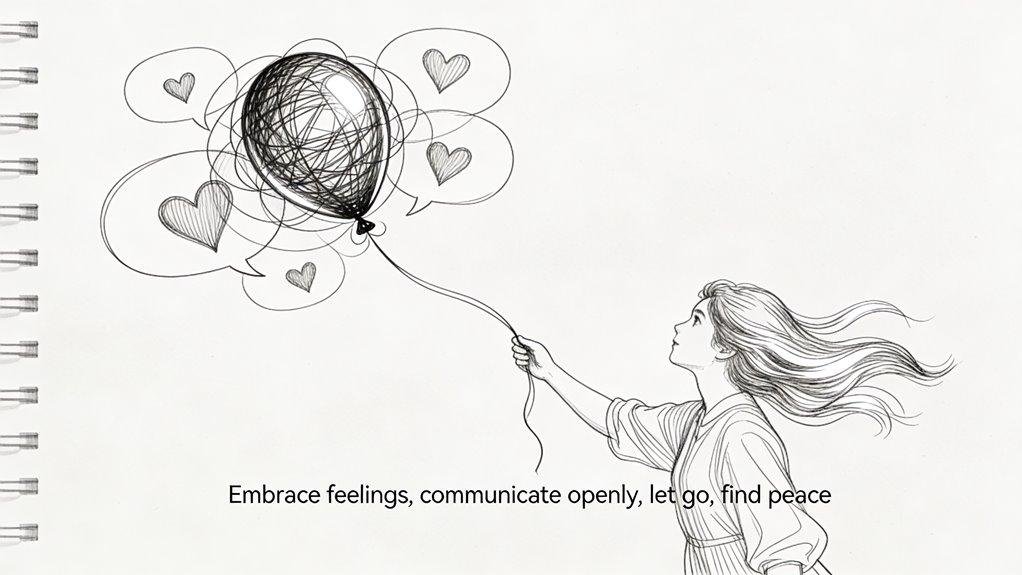
When this comes about expressing our feelings, we often find ourselves stuck. Let’s face this, yelling into a pillow or painting wildly can sometimes feel like the only way to let this out! Understanding the influence of emotion intensity on how we choose to express our feelings can help us select more effective strategies.
Verbalizing Your Emotions
While we often feel like our emotions are a tangled mess waiting for spill over, taking the time to verbalize what we’re experiencing can be incredibly liberating. By using some effective self-awareness techniques and expanding our emotional vocabulary, we can better articulate our feelings.
Here are a few approaches we can try together:
- Use “I feel” statements to express emotions without blame, focusing on understanding and ownership.
- Practice grounding techniques to manage overwhelming emotions during conversations.
- Engage in chair work for dialogue with various aspects of ourselves, promoting emotional exploration.
- Embrace mindfulness practices like breathing exercises to stay present with our emotions. Additionally, exploring expressive therapies such as art and music can offer a non-verbal outlet for emotional expression and facilitate significant emotional discoveries.
Let’s make the effort to modify our tangled emotions into something clearer and more manageable!
Creative Outlets for Expression
What if we could channel our emotions into creativity instead of letting them swirl inside us like a tornado? Engaging in creative outlets helps us express feelings constructively, making our emotional storm a gentle breeze. We can investigate art therapy through painting, write our stories in workshops, or examine creative sessions to turn feelings into tangible creations. Music invites us to dance, sing, or explore emotional storytelling through melody. Regular engagement in creative practices enhances our ability to cope with emotional challenges and promotes overall well-being.
Here’s a quick table of creative outlets:
| Outlet | Activity Type |
|---|---|
| Art Therapy | Visual Expression |
| Musical Exploration | Sound-based Activities |
| Writing Workshops | Literary Expression |
| Creative Sessions | Hands-on Activities |
| Dance Expression | Movement and Joy |
Let’s welcome these paths together!
Engaging Physical Movement Activities
Engaging in physical movement isn’t just a way to break a sweat, this lively instrument for expressing our emotions and channeling that inner tornado into something beautiful. By tapping into rhythmic movement and dance improvisation, we can release feelings we might not even realize we’re holding onto.
Here are four engaging activities that can assist:
- Dance Improvisation: Let loose, play your favorite music, and express your mood through movement.
- Guided Movement: Join a class that encourages self-exploration through body awareness.
- Partner Activities: Connect with a friend through simple dance or movement games.
- Group Circle Dance: Share energy and support, building a sense of community.
Let’s shake things up and move together, our emotions deserve a stage!
Overcoming Challenges in Emotional Processing?
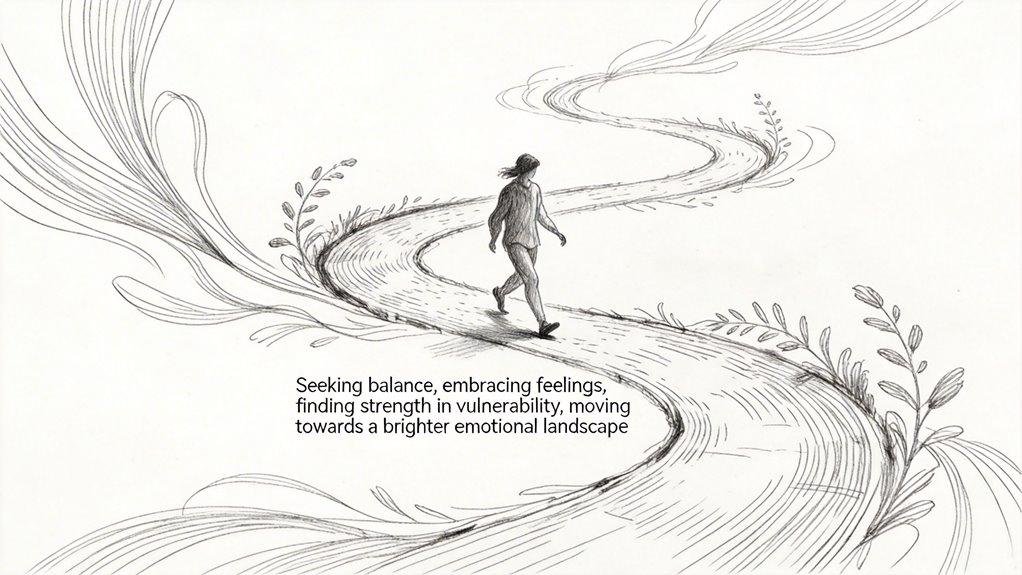
Steering through the choppy waters concerning emotional processing can feel like trying to ride a bike uphill during the rain, difficult and a little messy. We often face emotion regulation challenges that can heighten our stress and hinder our resilience. The good news? We can develop versatile coping strategies that lighten this burden.
For instance, when we learn to accept our emotional responses rather than resist them, we find ourselves maneuvering these turbulent waters more easily. Let’s commit to practice skills like goal-directed behaviors. We can even keep a journal to track our progress. Remember, it’s okay to feel frustrated; the key is to approach our feelings with curiosity. Together, we’ll conquer this ride, rain or shine!
Incorporating Physical Activity for Emotional Expression
When we think about incorporating physical activity for emotional expression, we often overlook how powerful movement can actually be. Whether it’s a brisk walk, a fun dance session, or joining a yoga class, these mindful activities not only shake off stress but also help us tap into our feelings with greater awareness.
Let’s investigate how we can use movement for expressing ourselves creatively and find joy in the process, because who knew working up a sweat could feel such good?
Movement As Emotional Release
Emotional release through movement can feel like a gust of revitalizing air, raising the weight of our worries and converting them into something lighter. Engaging in physical activity not only feels great but also supports our emotional fitness. Here are four movement benefits to reflect on:
- Endorphin Boost: Just five minutes of aerobic exercise can raise our mood and reduce anxiety.
- Stress Reduction: Exercise helps lower cortisol levels, calming that tireless stress monster.
- Emotional Regulation: Moving our bodies can release pent-up feelings, promoting a healthier mindset.
- Cognitive Clarity: Activities like walking can enrich our focus and problem-solving skills.
Let’s embrace movement together. Whether it’s a jog or a dance party in our living rooms, let’s turn our emotions into energy.
Mindful Activities And Awareness
Even as we juggle our busy lives, we can reveal the life-changing power of incorporating mindfulness into our physical activities. Engaging in movement while focusing upon mindful breathing and sensory awareness creates a life-altering experience. Consider trying mindful walking or yoga, where each step or stretch brings clarity.
Here’s a quick reference to help us blend mindfulness and physical activity:
| Activity | Benefits | Tips |
|---|---|---|
| Mindful Walking | Improves positive emotions | Focus on your breath |
| Yoga | Increases emotional regulation | Notice your surroundings |
| Dancing | Raises joy and creativity | Dance without judgment |
| Running | Reduces negative affect | Connect with your heartbeat |
| Stretching | Boosts overall mindfulness | Feel every muscle movement |
Let’s appreciate these moments, together!
Creative Expression Through Movement
Incorporating movement into our expression can be a thrilling way for tapping into our feelings and releasing pent-up emotions. Dance improvisation and movement therapy can change how we connect with our emotions.
Here are some ways to channel our feelings through movement:
- Join a dance class: It’s not just about the steps; it’s about letting our emotions flow.
- Try mindful walking: Notice how our surroundings impact our mood.
- Participate in group exercises: They cultivate social support, making us feel less alone.
- Engage in rhythmic activities: Simple moves, like clapping or swaying, can quickly uplift our spirits.
Build Emotional Resilience With Ongoing Practices
While we often face challenges that test our resilience, adopting ongoing practices can help us bounce back stronger than before. One effective way to build emotional resilience is through mindful journaling. By jotting down thoughts and feelings, we can gain insight and cultivate a sense of control.
Imagine writing three good things each day, suddenly the silver linings shine bright. Combining journaling with activities like profound breathing or creative projects can further enhance our moods and encourage a positive outlook. Don’t forget to practice gratitude; appreciating small joys can shift our mindset. As we engage in these resilience-building practices regularly, we not only cope better but also thrive, proving that even in tough times, we can find our way through together.
Frequently Asked Questions
How Do I Know if My Emotional Expression Is Healthy?
We know our emotional expression is healthy when we feel emotionally aware, use healthy outlets, and notice positive social interactions. If our feelings align with situations, it signals we’re expressing emotions appropriately, nurturing well-being together.
Can Emotional Expression Improve My Relationships With Others?
Yes, emotional expression can definitely improve our relationships. By embracing emotional vulnerability and enhancing our communication skills, we cultivate richer connections, reduce misunderstandings, and create an environment where everyone feels heard and valued.
What Should I Do if Someone Invalidates My Feelings?
When someone invalidates our feelings, we should firmly establish emotional limits while calmly expressing our needs. Encouraging constructive feedback nurtures understanding and helps strengthen our relationships, allowing us to manage these challenges together more effectively.
How Long Does It Typically Take to Process Emotions?
Processing emotions generally requires us varying amounts of time; the healing timeline differs considerably. Each individual experiences emotional shifts uniquely, influenced by factors like personal circumstances and our distinctive psychological makeup.
Are There Cultural Differences in Emotional Expression?
Yes, there are cultural differences in emotional expression. We find that cultural norms often dictate emotional restraint, leading to varying levels of expressiveness, especially between East Asian and Western traditions. Understanding these differences enhances our interactions.
