

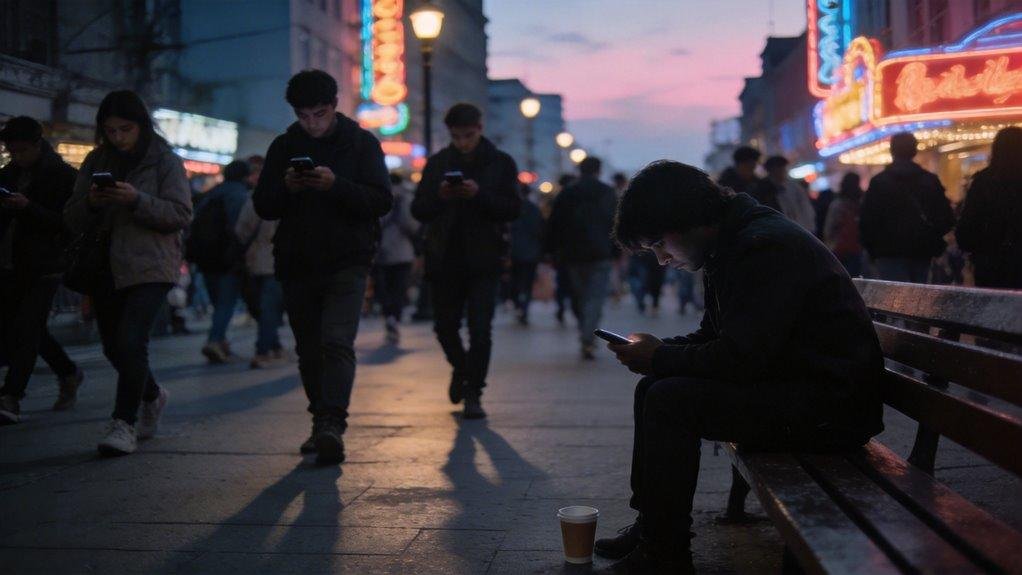
We often find ourselves feeling unhappy due to a mix of chronic stress, perfectionism, and social isolation.
Juggling unrealistic expectations can drain our joy.

Too much time indoors can make us feel isolated and low.
It’s essential to engage with friends and reconnect with nature, as small steps can spark big changes in our mindset.

Let’s accept imperfections and uncover how we can shift our focus toward progress.
There’s more to investigate about what shapes our happiness!
Key Takeaways
- Chronic unhappiness stems from life changes, societal pressures, and unhealthy habits, leading to isolation and anxiety.
- Perfectionism creates unrealistic goals, fostering constant comparison and eroding self-worth and happiness.
- High levels of stress and anxiety often lead to negative thinking and emotional fatigue, impacting overall well-being.
- Social isolation and indoor living increase loneliness and depression, highlighting the need for social interaction and community involvement.
- Mid-life challenges, including job insecurity and health issues, contribute to chronic stress and declining life satisfaction.
Understanding Chronic Unhappiness: Causes and Solutions
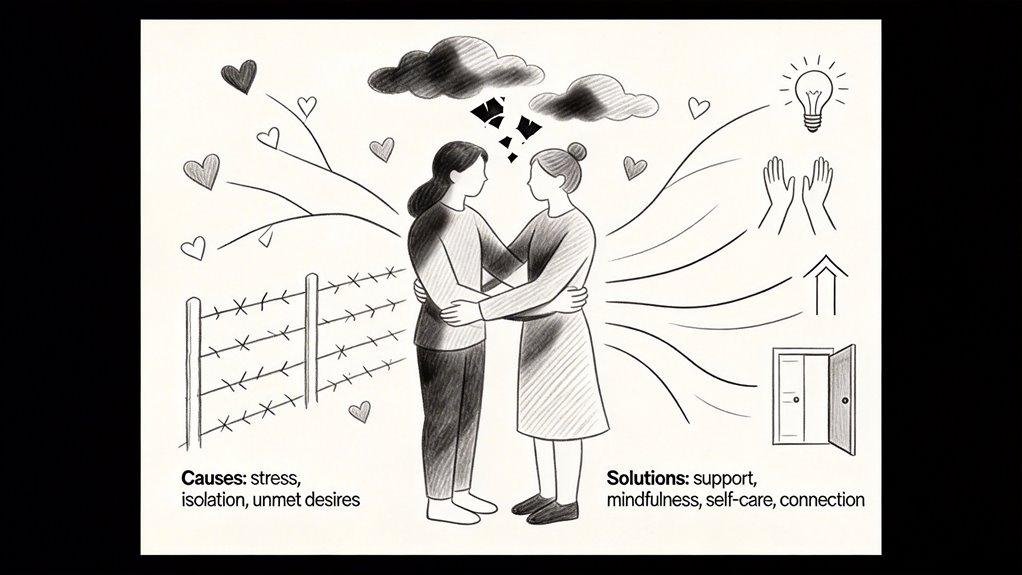
When we think about chronic unhappiness, this often feels like a heavy cloud following us around, doesn’t that? It’s easy to get trapped in a cycle of chronic stress, especially as we navigate life changes and face societal expectations. We may find ourselves stuck in unhealthy habits, like excessive screen time, nurturing feelings of loneliness and anxiety. Recent studies indicate that serious psychological distress can significantly contribute to feelings of life dissatisfaction.
But there’s hope! By cultivating emotional resilience and practicing self-compassion, we can investigate effective coping strategies together. Making lifestyle changes, like connecting with others more or setting small goals, can shift our outlook. Remember, it’s okay not to have it all figured out, and taking that initial step can be life-changing. Let’s support each other through these ups and downs!
How Perfectionism Undermines Happiness
Though many of us aim for excellence, perfectionism can actually steal our joy rather than improve it. We often feel caught in the perfectionism paradox, where unyielding standards lead to emotional exhaustion and self-worth issues.
Instead of celebrating progress, we fall into constant comparison, working for unattainable goals. These idealistic pressures create performance anxiety and a fear of feedback, making us crave validation. We might think, “If I don’t achieve that, I’m a failure,” trapping ourselves in a cycle of dissatisfaction. This struggle showcases how perfectionism is linked to mental health risks, emphasizing the need for self-compassion.
Let’s acknowledge that none of us are perfect; embracing our imperfections can nurture growth and happiness. Instead of seeking perfection, let’s focus on progress, forgive ourselves for setbacks, and celebrate our unique expeditions, warts and all!
The Connection Between Stress and Chronic Sadness
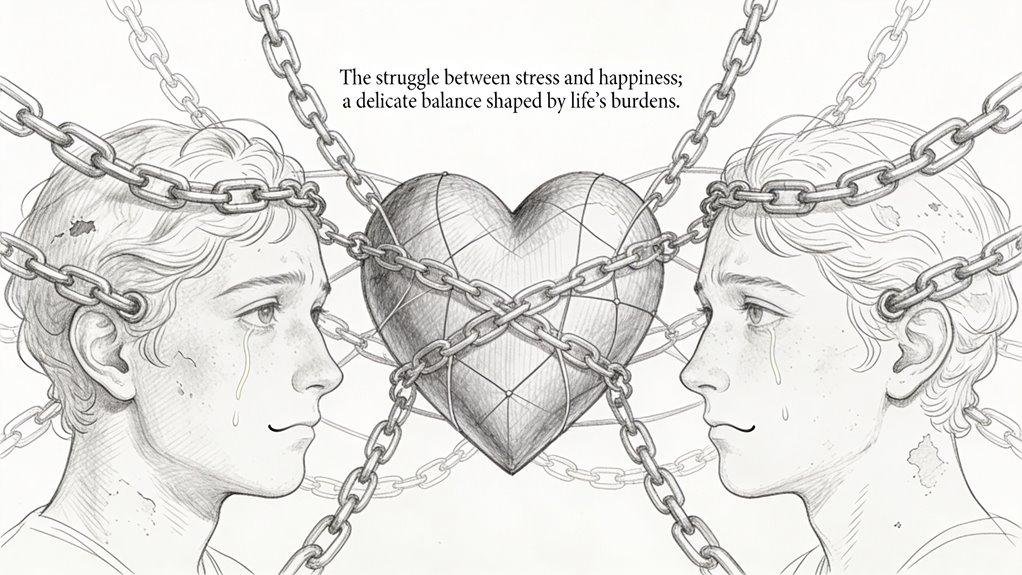
We all know how stress can sneak in like an uninvited guest, playing tricks on our thoughts and dragging us into a pit of chronic sadness. When our moments are filled with constant pressure, it’s no surprise that negative thoughts start to dominate, making even the smallest challenges feel overwhelming. Psychological stress has been identified as a significant contributor to depressive symptoms, particularly among college students facing major life changes.
Let’s investigate how such stress can spiral into more profound feelings concerning depression and consider some simple ways to break that cycle together.
Stress-Induced Negative Thought Patterns
Pressure can frequently deceive our minds into a whirlwind of negative thoughts, leaving us feeling trapped and unhappy. We’ve all experienced that, right? That moment when negative self-talk creeps in, telling us we’re not good enough.
It’s like a broken record of cognitive distortions, with all-or-nothing thinking dictating our reality. We start to ruminate, fixating upon our mistakes, making mountains out from molehills. We might even envision an audience laughing at our missteps, which only amplifies our anxiety. But we can change that cycle! Let’s challenge those thoughts together. When negativity strikes, let’s pause and ask ourselves: “Is that thought really true?” By recognizing those patterns, we reclaim our power and pave the way toward a happier mindset.
Moreover, individuals with chronic stress often exhibit repetitive negative thinking that exacerbates feelings of sadness and anxiety.
Chronic Stress and Depression
It’s astonishing how the pressures of life can hit us like a ton of bricks, isn’t that so? Chronic stress often connects to our emotional regulation and can creep into our lives, leaving us feeling perpetually sad. We might not realize how stress affects our mental health until it is overwhelming. Additionally, recent studies have highlighted a connection between mental health and cardiovascular disease, emphasizing that mental health conditions should be addressed aggressively.
Here’s a quick overview:
| Chronic Stress Effects | Symptoms | Potential Actions |
|---|---|---|
| HPA Axis Dysregulation | Prolonged depressive episodes | Practice mindfulness |
| Neuroinflammation | Increased fatigue | Regular exercise |
| Cardiovascular Risks | Heightened anxiety | Seek professional help |
| Anxious Depression Traits | Difficulty concentrating | Join a support group |
| Treatment Resistance | Feelings of anhedonia | investigate therapy options |
We can combat stress by prioritizing self-care, seeking support, and encouraging positive habits. Let’s take small steps together!
Why Anxiety Impacts Our Mental Health?
Anxiety can really play tricks with our minds, can’t it? When we constantly worry about the worst possible outcomes or feel overly sensitive towards loss, it’s no wonder our mental health takes a hit. By recognizing these patterns and finding ways for challenging our thoughts, we can start reclaiming our peace of mind, because who doesn’t want to enjoy life without that nagging worry in the back of our heads?
Overestimating Negative Outcomes
When we find ourselves wrapped up in worry, this is easy for us regarding falling into the trap concerning overestimating negative outcomes, almost like we’re wearing a pair concerning glasses that magnify every potential mishap. Our fearful perceptions can turn small risks into monsters.
| Predicted Outcome | Actual Outcome |
|---|---|
| Exam failure: 85% chance | 8.6% chance |
| Social rejection: 90% chance | 0% chance |
| Job loss: 70% chance | 5% chance |
The emotional distortion in our risk miscalculations often leads to unneeded anxiety. Recognizing that many concerning our worries never come regarding pass can be liberating! Keep reminding ourselves that our fears often exaggerate the truth. Let’s challenge these thoughts together!
Heightened Sensitivity to Loss
Loss can feel like a shadow that looms over us, especially for those who experience heightened sensitivity toward that. We often find ourselves caught in loss anticipation, worrying about future separations long before they happen. Such grief sensitivity can make us feel like we’re tiptoeing through a minefield of emotions, where even small losses hit us hard.
We might cling to our possessions, fearing the pain of losing them. Remember the time we worried about a friend moving away? It’s natural! By acknowledging our feelings and sharing them with supportive friends or loved ones, we can ease our burden. Let’s accept vulnerability and openness, turning our heightened sensitivity into a strength that connects us more profoundly with others, rather than a shadow that confines us.
Chronic Worry and Stress
Chronic worry and stress can feel like that persistent buzzing in our brains that just won’t quit, often leaving us feeling overwhelmed and fatigued. Many among us experience chronic anxiety, which can chip away at our emotional resilience, making it harder for us to bounce back.
Here’s what we might encounter together:
- 51% of stressed adults also feel depressed.
- 19.1% of us may have anxiety disorders.
- Nearly half of Americans experience daily stress.
- Political and economic uncertainties top our worries.
- Chronic stress can lead to serious health issues.
Recognizing these patterns is the initial step. Let’s support each other, laugh at life’s absurdities, and find ways for us to manage that buzzing together. After all, we’re stronger when we share our burdens!
How Staying Indoors Affects Our Well-being
Staying indoors too long can sometimes feel like we’re living in a fishbowl, where the world outside seems to fade away while we’re left staring at the same four walls. Indoor confinement may lead to psychological effects like increased anxiety and emotional distress. We all know how that can mess with our emotional regulation, right?
Sleep disturbances worsen, especially when air quality suffers. If we’re stuck with poor ventilation, finding our groove in indoor activities is hard. Additionally, without social interaction, mental fatigue sets in more quickly than we think. So let’s step outside when we can, even if just for a gust of revitalizing air. Little changes, like soaking in some sunlight, can make a big difference!
Exploring the Effects of Isolation on Happiness
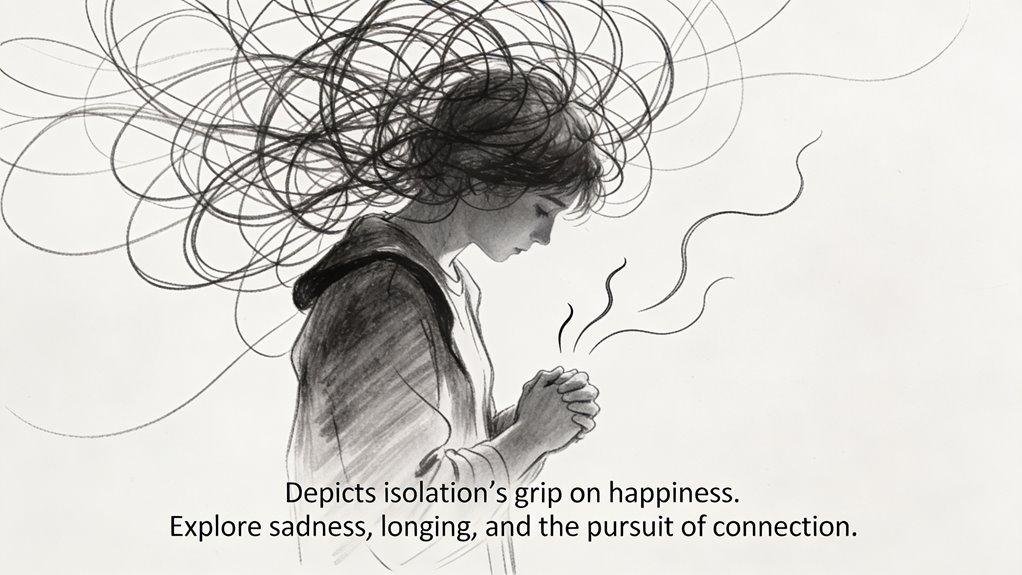
We all know how spending too much time alone can really put a damper in our spirits. When we feel isolated, not only can our minds take a hit, but our physical health might struggle too, like that time we forgot to exercise because Netflix was calling our name instead.
Let’s unpack how these indoor living conditions and social isolation can chip away at our happiness, and maybe find some ways to brighten our moments!
Impact Of Social Isolation
While such may be easy to overlook, the impact of social isolation on our happiness is profound and often insidious. When we disconnect from social connection, we risk our emotional resilience and overall well-being.
- Loneliness heightens our depression likelihood.
- Engaging with friends enhances our happiness.
- Community involvement nurtures support networks.
- Developing social skills helps us overcome anxiety.
- We find friendship important for reducing isolation effects.
Indoor Living Conditions
Having investigated how social isolation can weigh heavily on happiness, it is crucial to acknowledge how our indoor living conditions can further shape our emotional environment. Poor indoor air quality and mold exposure can elevate our psychological stress levels, making it harder to feel happy.
If we spend too much time in disrepair or damp places, it can lead to discomfort, boredom, and even anxiety. Next time we notice we’re glued to screens, let’s keep in mind that engaging with natural environments can enhance our mood by up to 40%. Let’s get outside, open windows, and welcome clean air as a little remedy. After all, a touch of sunlight and a breath of fresh atmosphere might just lighten our spirits a bit!
The Role of Poor Sleep Patterns in Unhappiness
Sleep can feel like the elusive unicorn we’re all chasing, especially when the weight from the day leaves our minds racing long after we’ve hit the pillow. Poor sleep patterns contribute greatly to our unhappiness. It impacts our emotional resilience and mental health.
This creates a vicious cycle we often find ourselves in. Sleep deprivation increases our odds of feeling mentally distressed. Quality sleep correlates directly with better happiness levels. Disturbed circadian rhythms lead to mood changes. Practicing good sleep hygiene can improve our rest. Advancement in sleep can uplift our mental state.
How Substance Use Disrupts Emotional Well-Being
Substance use can sneak up on us, affecting our emotional well-being in ways we might not even realize. Many of us might turn to substances to escape feelings of depression or anxiety, but that often leads to a cycle of substance withdrawal and decreased emotional resilience.
For instance, utilizing drugs like marijuana or alcohol might seem helpful initially, yet, over time, they can impair our cognitive functions and social connections. Let’s be honest: nobody enjoys feeling anxious or depressed! Recognizing this connection is the primary step toward making healthier choices. If we find ourselves struggling, seeking help is vital.
With the right support, we can nurture emotional resilience and reclaim our happiness. Remember, you’re not alone during this expedition!
Why Mid-Life Often Feels Unhappy?
Life can feel like a rollercoaster, especially in mid-life, and many of us find ourselves wrestling with a unique mix of challenges and discontent. As we maneuver through these mid-life changes, our life satisfaction can take a hit due to various factors.
These include job and financial insecurity, growing feelings of loneliness, declines in physical strength, chronic stress from balancing work and family, and increasing health concerns.
It’s crucial to acknowledge these struggles without judgment. As we move through this phase, we might experience shifts, but recognizing them is the primary step toward improvement.
Nurturing connections, seeking professional help, and prioritizing self-care can spark positive change. Remember, we’re all in this together, and brighter moments lie ahead!
Understanding Decision Avoidance in Mental Health
As we steer through those mid-life blues, it’s not uncommon to find ourselves wrestling with decision-making like we’re stuck in a maze. We might hesitate, unsure about which path to take, often because our brain’s emotional regulation has let us down. Decision-making strategies become essential here.
Instead of panicking, let’s adopt small, manageable choices daily, like picking the perfect coffee blend or choosing a weekend activity. Recognizing that indecision spikes with anxiety can help us laugh off some pressure. Remember, avoiding decisions doesn’t erase regret; it can amplify it! We can reflect on past experiences and seek support, fuelling our resolve. So, let’s tackle that maze together, one tiny decision at a time, who knows, we might find joy along the way!
Frequently Asked Questions
Can Happiness Be Permanently Affected by Childhood Experiences?
Yes, childhood trauma and emotional neglect can permanently affect our happiness. They shape how we process joy and respond towards life’s challenges, impacting our emotional well-being well into adulthood, often requiring concerted efforts for healing.
What Role Does Social Media Play in Chronic Unhappiness?
Social media fuels chronic unhappiness through comparison culture, making us feel inadequate. A digital detox can help us reconnect with ourselves and reduce these pressures, allowing us to focus upon genuine connections and enhance our well-being.
How Does Diet Influence Mood and Well-Being?
Diet notably influences our mood and well-being. By maintaining nutrient balance, we can curb emotional eating habits. When we choose whole foods packed with nutrients, we improve our mental health and boost overall happiness together.
Are Certain Personality Types More Prone to Unhappiness?
Certain personality types can indeed be more prone toward unhappiness. Those with introverted tendencies might struggle more, while extroverted expectations often lead toward better social support, enhancing overall well-being. We all experience these traits differently.
Can Physical Environments Contribute to Feelings of Unhappiness?
Absolutely, our physical environments considerably influence our happiness. When we lack personal space or encounter overwhelming urban settings, those environmental influences can contribute towards feelings of unhappiness, making us yearn for the serenity from nature.
